Introducing Planton Script: A Modern Hand-Lettered Font for Creative Professionals
In the ever-evolving world of design, typography plays a crucial role in shaping visual identity and communication. As professionals, creators, and entrepreneurs seek to stand out in a crowded digital landscape, the right font can make all the difference. Enter Planton Script, a new script font that blends elegance with functionality, offering a hand-lettered aesthetic that resonates with contemporary creative needs.
What is Planton Script?
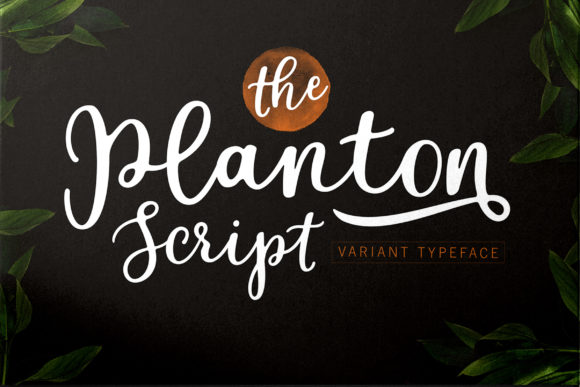
Planton Script is a beautifully crafted script font designed to evoke a sense of personalization and authenticity. Unlike traditional serif or sans-serif fonts, this typeface features hand-lettered characters that mimic the fluidity and warmth of cursive handwriting. The result is a font that feels both artistic and professional, making it suitable for a wide range of applications.
One of the standout features of Planton Script is its PUA (Private Use Area) encoding. This means users have easy access to a variety of glyphs and swashes, allowing for greater customization and flexibility. Whether you're designing a logo, creating wedding invitations, or crafting a unique brand identity, Planton Script offers the tools to bring your vision to life with ease.
The Rise of Hand-Lettered Typography
The growing popularity of Planton Script reflects a broader trend in the design industry: a return to handcrafted aesthetics. In an age dominated by digital minimalism and clean lines, there's a rising demand for fonts that convey personality, emotion, and individuality. This shift is particularly evident among consumers who are increasingly drawn to brands that feel authentic and human.
Hand-lettered fonts like Planton Script tap into this desire for connection. They offer a tactile, almost nostalgic quality that digital fonts often lack. This makes them ideal for use in marketing materials, social media content, and other forms of communication where emotional resonance is key.
Why Professionals Are Embracing Planton Script
For designers, marketers, and entrepreneurs, Planton Script presents a compelling solution to the challenge of standing out in a competitive market. Its versatility allows it to be used across multiple platforms and mediums, from print to digital. Here are just a few reasons why professionals are turning to Planton Script:
- Creativity and Flexibility: With its extensive glyph set and swash options, Planton Script enables designers to create unique and eye-catching visuals that reflect their brand's personality.
- Professional Applications: From logos and letterheads to signage and badges, Planton Script adds a touch of sophistication without compromising on readability.
- Consumer Appeal: In today’s market, consumers are more likely to engage with brands that feel personal and approachable. Planton Script helps businesses connect with their audience on a deeper level.
Moreover, as remote work and digital collaboration become the norm, the need for high-quality, adaptable fonts has never been greater. Planton Script meets this need by providing a font that works seamlessly across different devices and software platforms.
Practical Examples of Planton Script in Action
To better understand how Planton Script can be used, let's explore some real-world examples:
- Wedding Invitations: Hand-lettered fonts are a popular choice for wedding invitations, as they add a romantic and personalized touch. Planton Script can be used to create elegant, custom-designed invitations that stand out from mass-produced options.
- Brand Logos: Many startups and small businesses are using Planton Script to create logos that reflect their unique identity. The font’s organic feel makes it ideal for brands that want to convey creativity, innovation, and authenticity.
- Social Media Content: Social media influencers and content creators often use Planton Script to enhance their posts with visually appealing text. This can include everything from captions and headlines to graphic overlays and banners.
- T-Shirt Designs: For those looking to create custom apparel, Planton Script offers a stylish and versatile option. Its hand-lettered style can be used to create t-shirts that are both trendy and wearable.
These examples illustrate how Planton Script can be integrated into various aspects of design and branding, helping professionals create content that is both functional and aesthetically pleasing.
Connecting to Broader Trends in Design and Technology
The increasing adoption of Planton Script is not just a passing fad; it’s part of a larger movement toward more expressive and human-centered design. As technology continues to advance, there is a growing emphasis on creating experiences that feel personal and meaningful. This includes everything from user interfaces to marketing campaigns, where the goal is to build stronger connections with audiences.
In the context of web design and digital publishing, Planton Script also aligns with the trend of responsive typography. With its scalable design and compatibility with modern web standards, it ensures that text remains readable and visually appealing across different screen sizes and resolutions.
Additionally, the rise of AI-driven design tools has made it easier than ever for non-designers to experiment with typography. Planton Script fits perfectly into this ecosystem, offering a font that is both accessible and powerful, whether used in a design application or generated through an AI platform.
Conclusion: The Future of Typography Lies in Personalization
Planton Script represents a new era in typography—one that values personalization, creativity, and authenticity. As professionals and creatives continue to seek ways to differentiate themselves in an increasingly digital world, the demand for fonts that reflect individuality will only grow.
Whether you're a designer looking to elevate your portfolio, a marketer aiming to connect with your audience, or an entrepreneur building your brand, Planton Script offers a versatile and expressive solution. By embracing this font, you’re not just choosing a typeface—you’re embracing a design philosophy that celebrates the beauty of human expression.